
10 Things to Check Before a Long Drive: Essential Car Checklist
Explore expert advice on tyre care, battery maintenance, wheel alignment, vehicle safety, and everything you need to keep your vehicle performing at its best.
Explore expert advice on tyre care, battery maintenance, wheel alignment, vehicle safety, and everything you need to keep your vehicle performing at its best.

By : Ghosh Tyre 11/07/2026
10 Things to Check Before a Long Drive Planning a long journey? Knowing the things to check before a long drive can help you prepare your car properly before you leave. From tyre pressure and tread condition to brakes, fluids, battery, lights and emergency equipment, a few simple checks can help identify potential problems before […]
Planning a long journey? Knowing the things to check before a long drive can help you prepare your car properly before you leave. From tyre pressure and tread condition to brakes, fluids, battery, lights and emergency equipment, a few simple checks can help identify potential problems before they interrupt your journey.
A long drive puts more time and distance between you and home, your regular mechanic or a familiar service centre. Spending a little time checking your vehicle beforehand can therefore make your journey more prepared and less stressful.
Whether you’re driving across West Bengal, heading out on a highway trip or planning a longer road journey across India, use this guide as a practical pre-drive checklist.

The most important things to check before a long drive include tyre pressure and condition, the spare tyre, brakes, engine oil and other fluids, battery, lights, wipers, steering, wheel alignment and essential emergency equipment.
You don’t necessarily need to perform a complete mechanical inspection yourself. The goal is to identify obvious problems before departure and have anything questionable checked by a qualified professional.
Tyres are your car’s only contact with the road, making them one of the first things to inspect before a long journey.
Check the pressure when the tyres are cold or before the vehicle has been driven extensively. Always follow the vehicle manufacturer’s recommended tyre pressure rather than using the maximum pressure printed on the tyre sidewall as your target.
Incorrect pressure can affect handling, braking, ride comfort and tyre wear. Under-inflation can also increase rolling resistance, while over-inflation can affect the way the tyre contacts the road.
Before leaving, check all four tyres and don’t forget the spare.
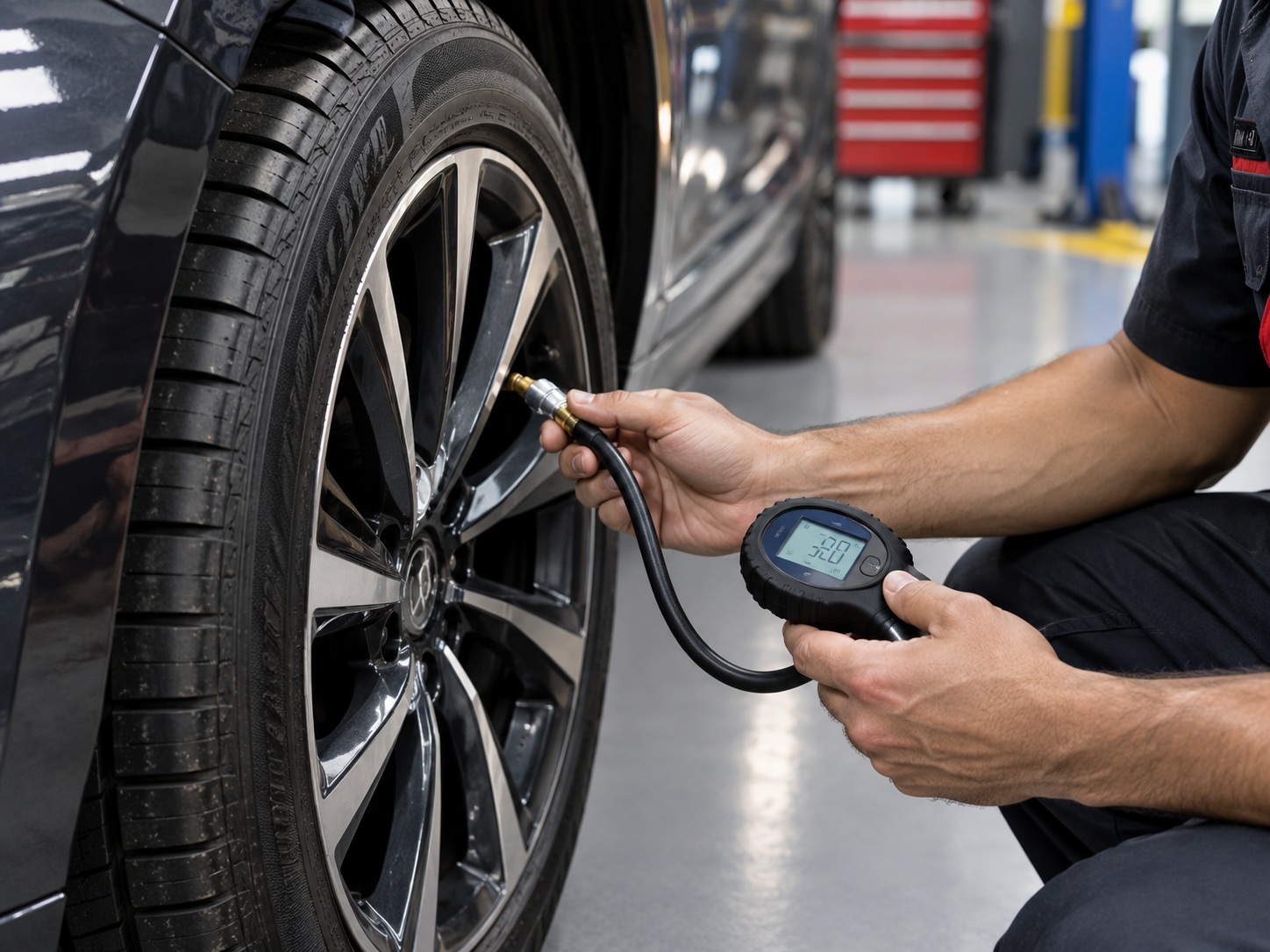
Also look at the valve areas and make sure there are no obvious signs of air leakage.
If you’re unsure about the correct pressure for your vehicle, check the manufacturer’s recommendation, usually found on the driver’s door-jamb sticker, fuel-filler area or vehicle manual.
Helpful resource:
Michelin — How and When to Check Your Tyre Pressure
Correct pressure isn’t enough. The physical condition of the tyres also deserves attention.
Walk around the vehicle and inspect the tread and sidewalls for:
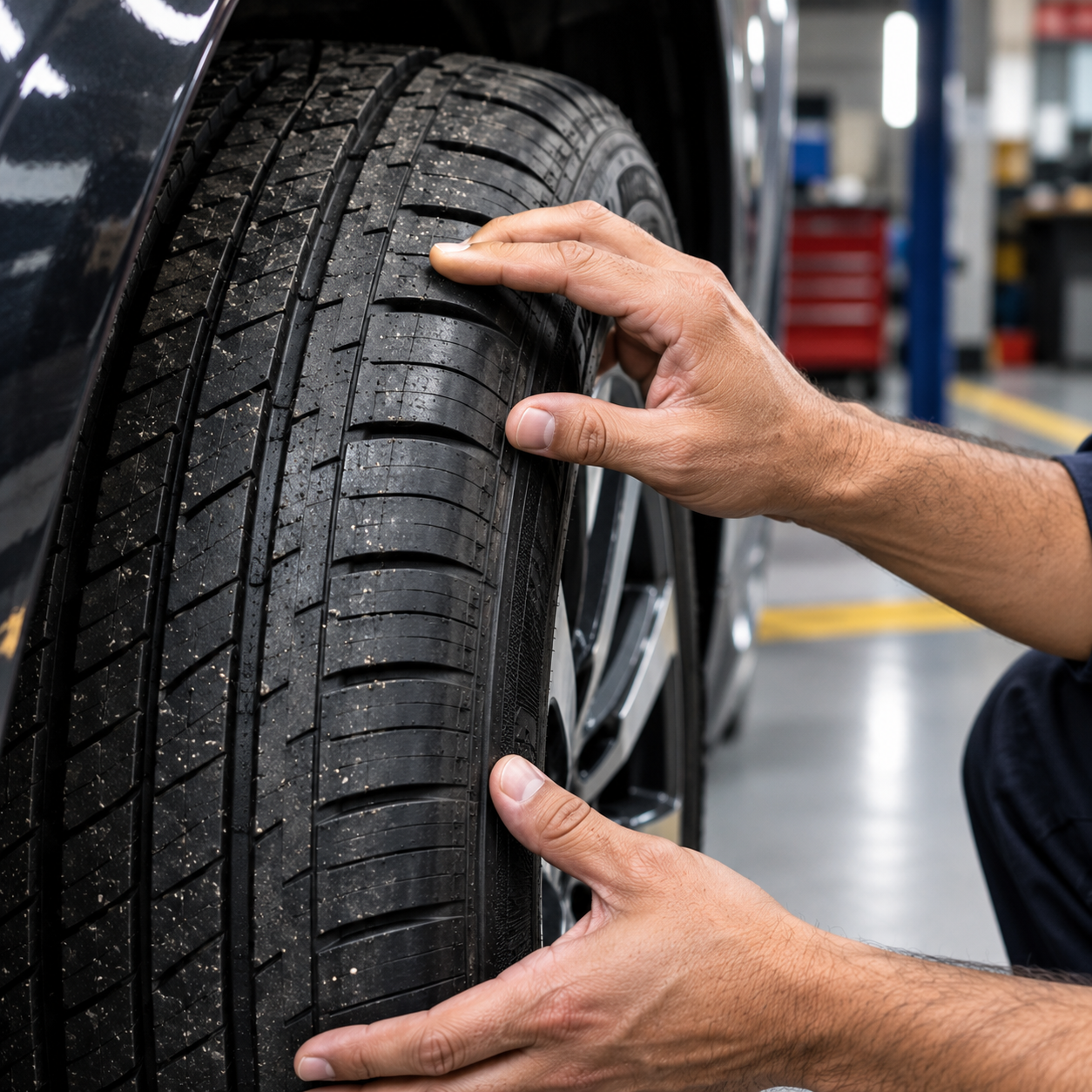
Pay particular attention to uneven wear. If one section of the tread appears significantly more worn than another, it can indicate an underlying issue involving alignment, suspension, tyre pressure or other components.
If a tyre appears damaged or excessively worn, don’t assume it will be fine simply because it is holding air.
Helpful resource:
Bridgestone India — How to Check Tyre Condition
A spare tyre isn’t useful if it has no air or if you don’t have the equipment required to install it.
Before a long trip, check that your spare tyre is present and in usable condition. If your vehicle uses a temporary spare, understand its limitations before you need it.
Also check that you have:
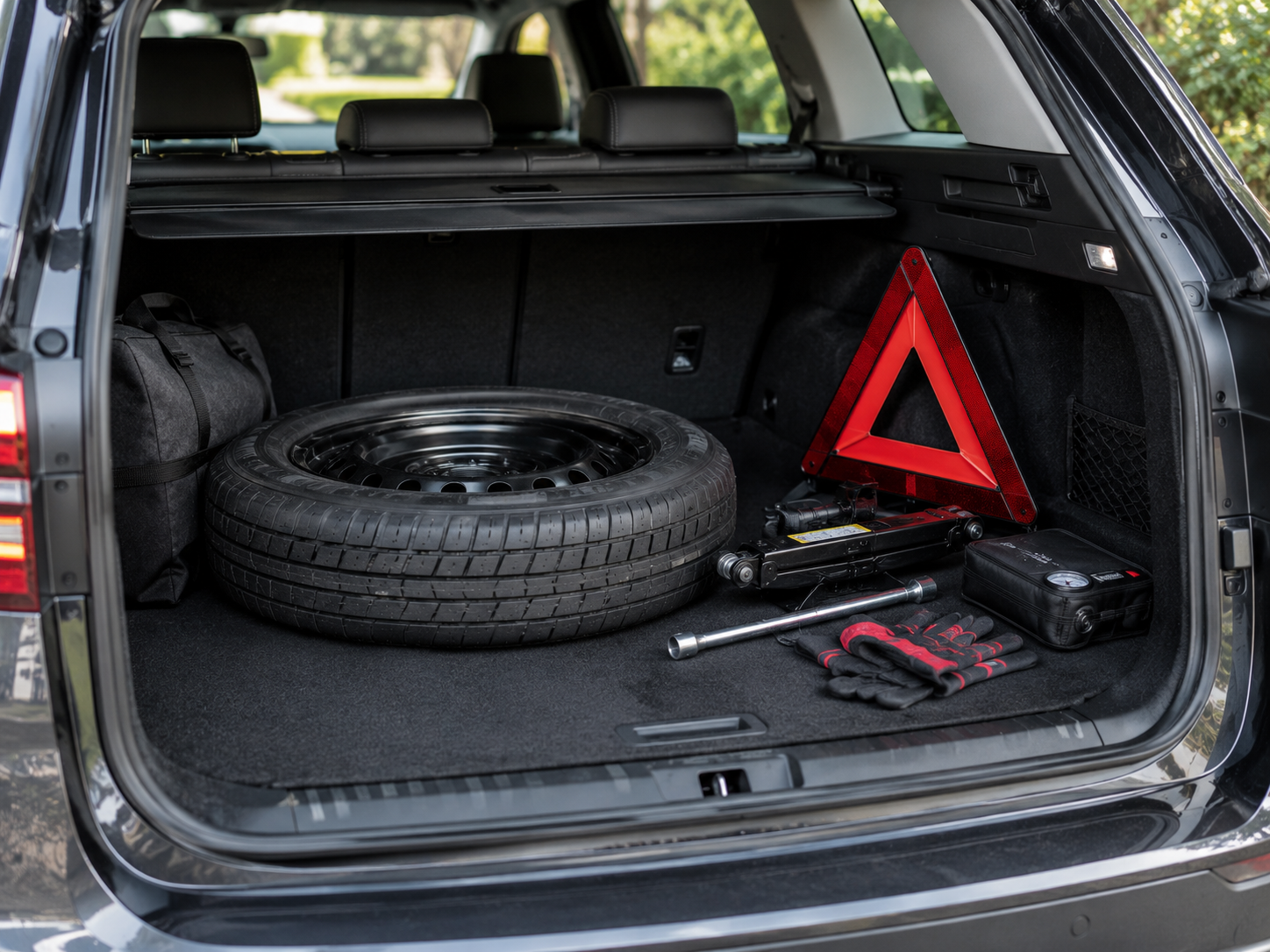
Knowing where these items are stored can also save valuable time during an unexpected roadside problem.
Michelin’s road-trip checklist also recommends checking the spare tyre and carrying equipment such as a jack, wheel wrench, warning triangle and other emergency items.
Helpful resource:
Michelin — Get Ready for a Road Trip Checklist
Braking performance is something you should never take for granted before a long journey.
Pay attention to warning signs such as unusual squealing or grinding, vibrations during braking, a brake pedal that feels different from normal, or the vehicle pulling to one side while braking.
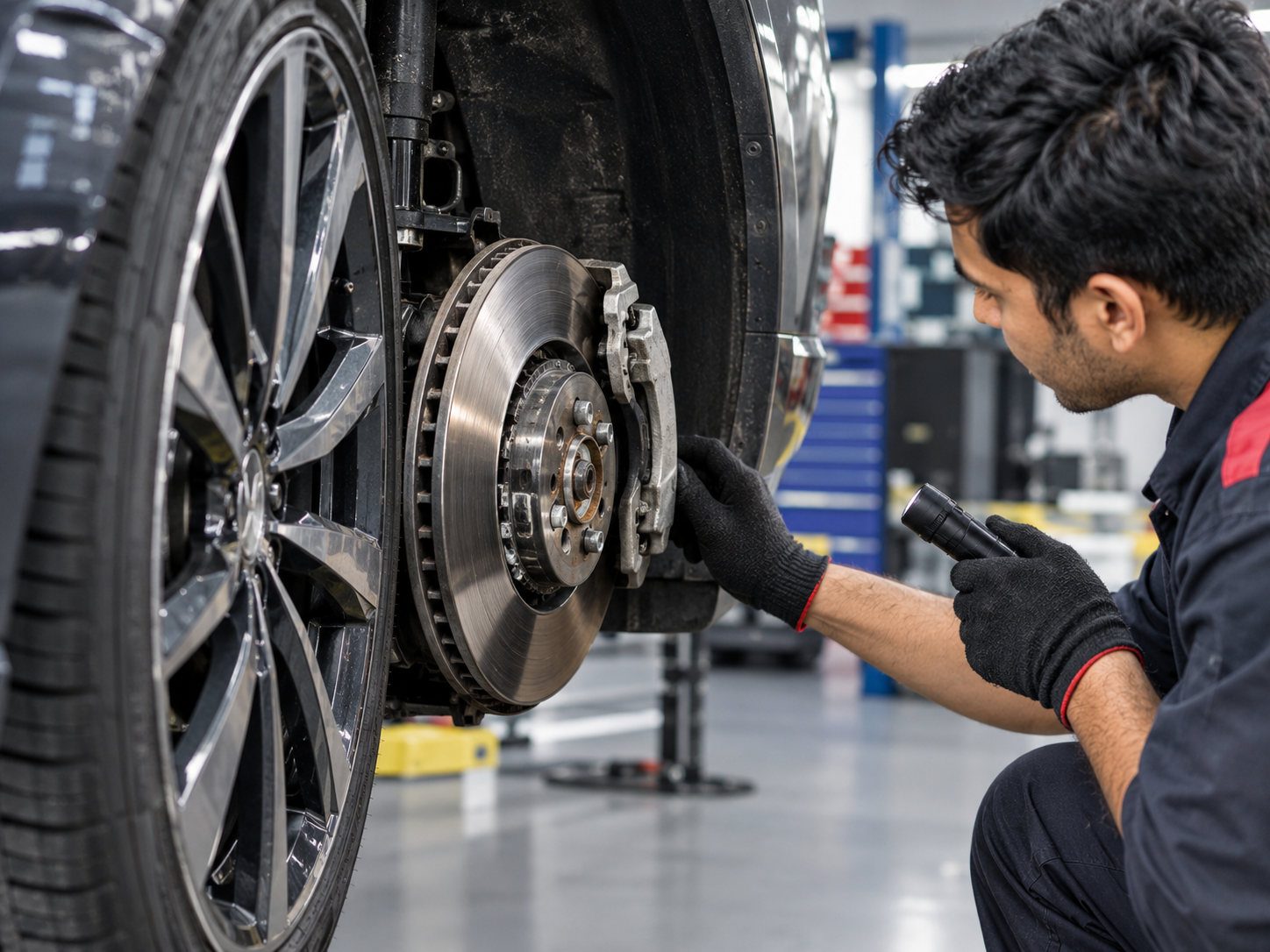
Also check whether any brake-related warning light remains illuminated on the dashboard.
If you have noticed a change in braking performance, get the vehicle inspected before starting your trip rather than waiting until you’re already on the highway.
Your vehicle relies on several fluids to operate correctly, particularly during extended driving.
Depending on your vehicle, check the appropriate levels of:
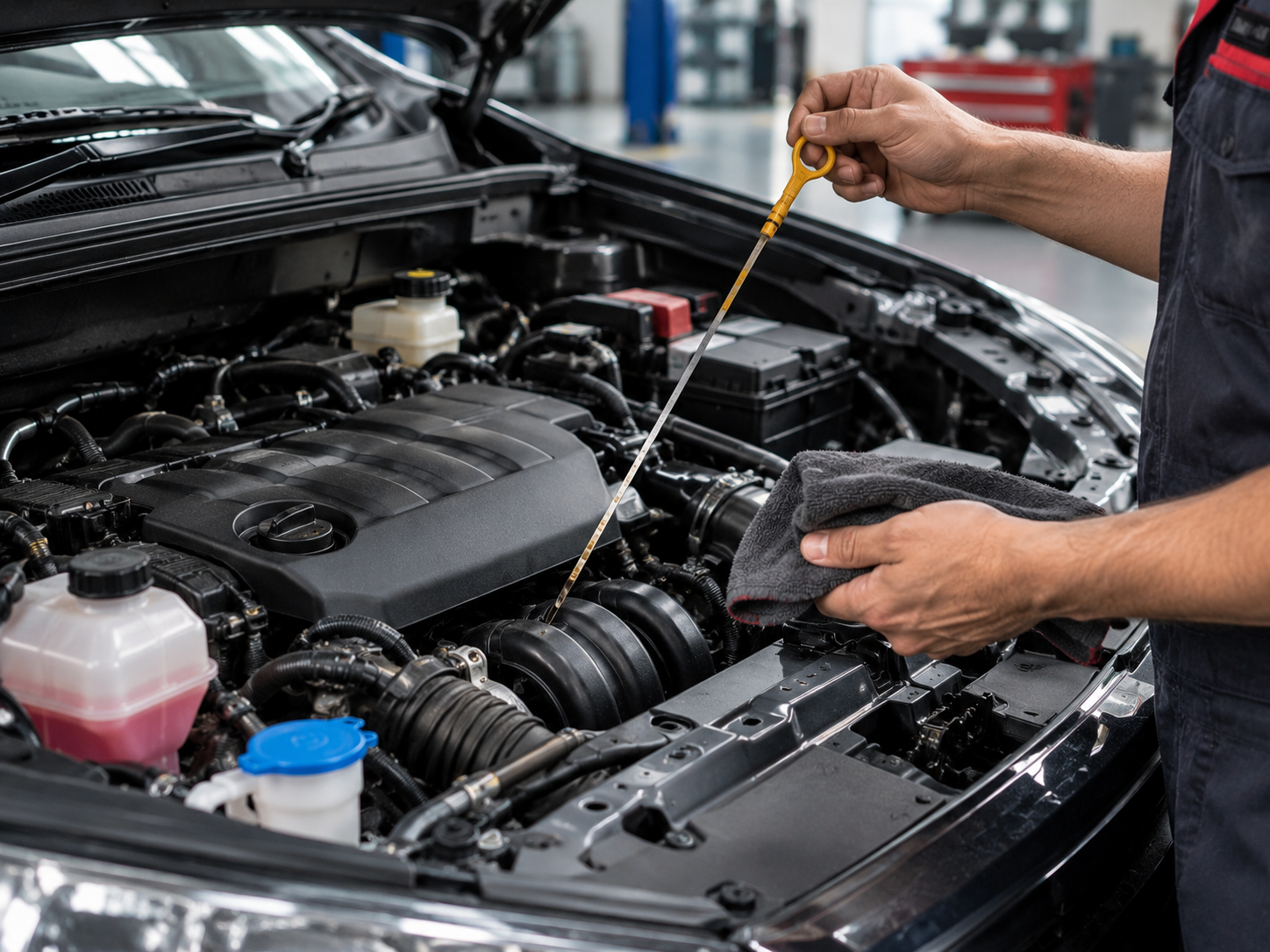
Engine oil should be checked according to the vehicle manufacturer’s instructions and on a level surface where appropriate.
If you notice a fluid level dropping repeatedly, visible leakage or an unfamiliar warning light, the issue should be investigated rather than simply topping the fluid up and continuing.
A weak battery can turn into a major inconvenience, particularly when you’re away from home.
Look for obvious signs of battery or electrical problems, such as difficulty starting the engine, dimming electrical components or warning lights.
If the battery is older or you’ve recently experienced starting problems, consider having it tested before the trip.
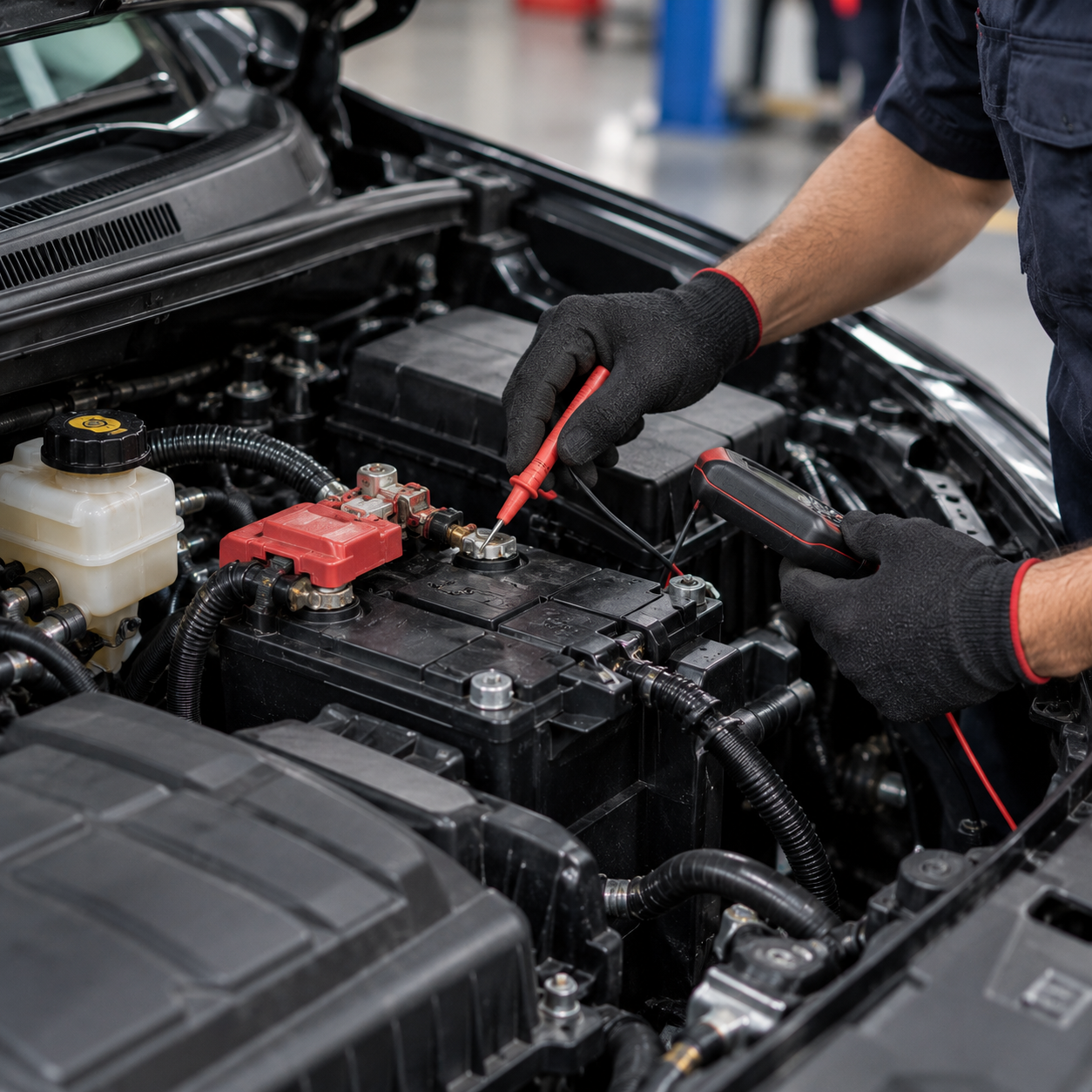
Where appropriate, check that the battery terminals and connections are secure and free from obvious corrosion. Do not attempt unfamiliar electrical repairs yourself.
Your vehicle’s lighting system plays an important role in visibility and communication with other road users.
Before leaving, check:
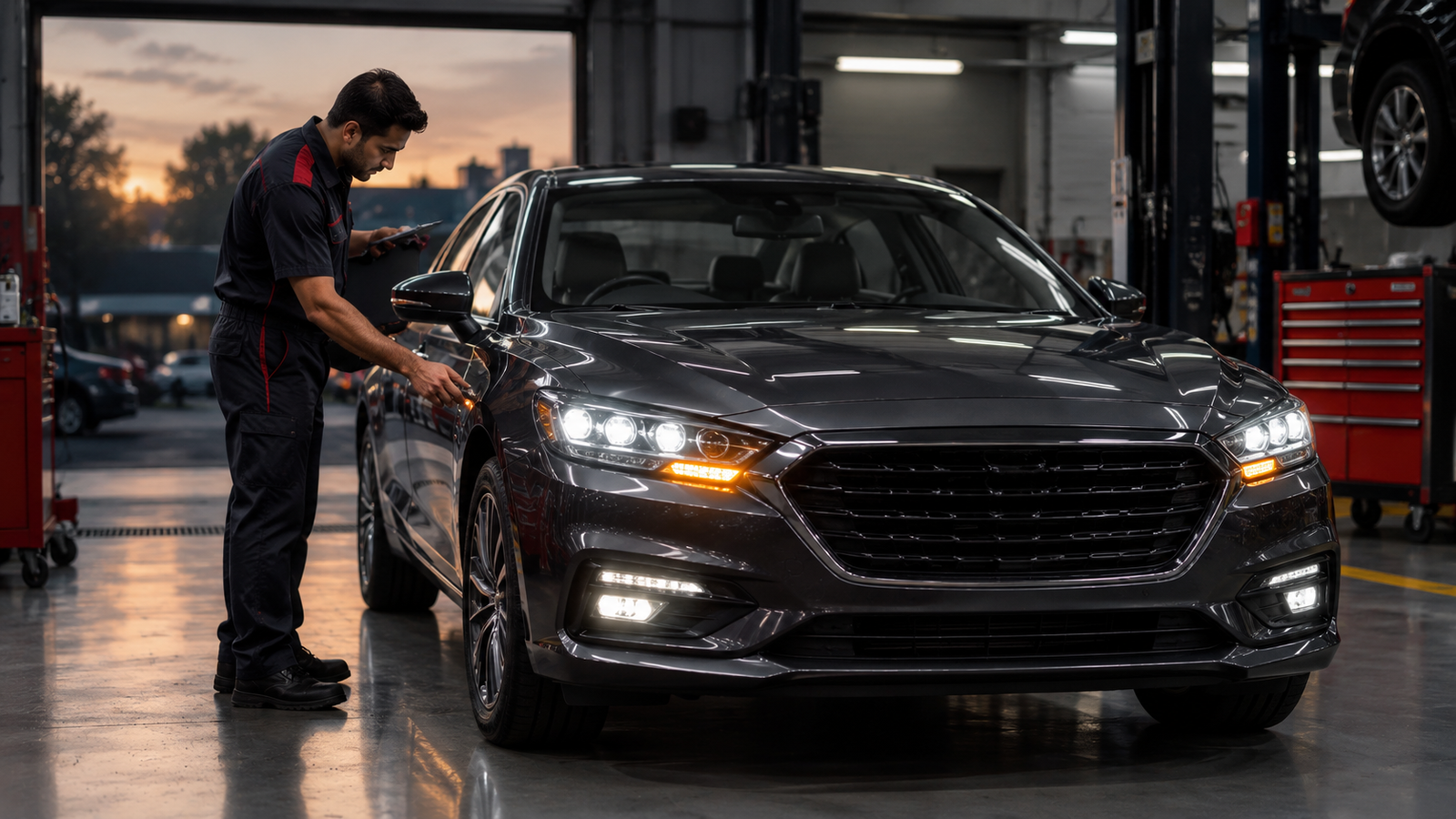
It’s especially important to check your lights if you’re likely to drive after dark, during rain or through areas with reduced visibility.
If another person is available, ask them to stand outside the vehicle while you operate the lights and brakes.
Clear visibility is essential for any journey, and poor weather can make a small visibility problem much more serious.
Inspect your windscreen wiper blades for signs of deterioration. If they leave large streaks, skip across the glass or fail to clear water properly, they may need replacement.
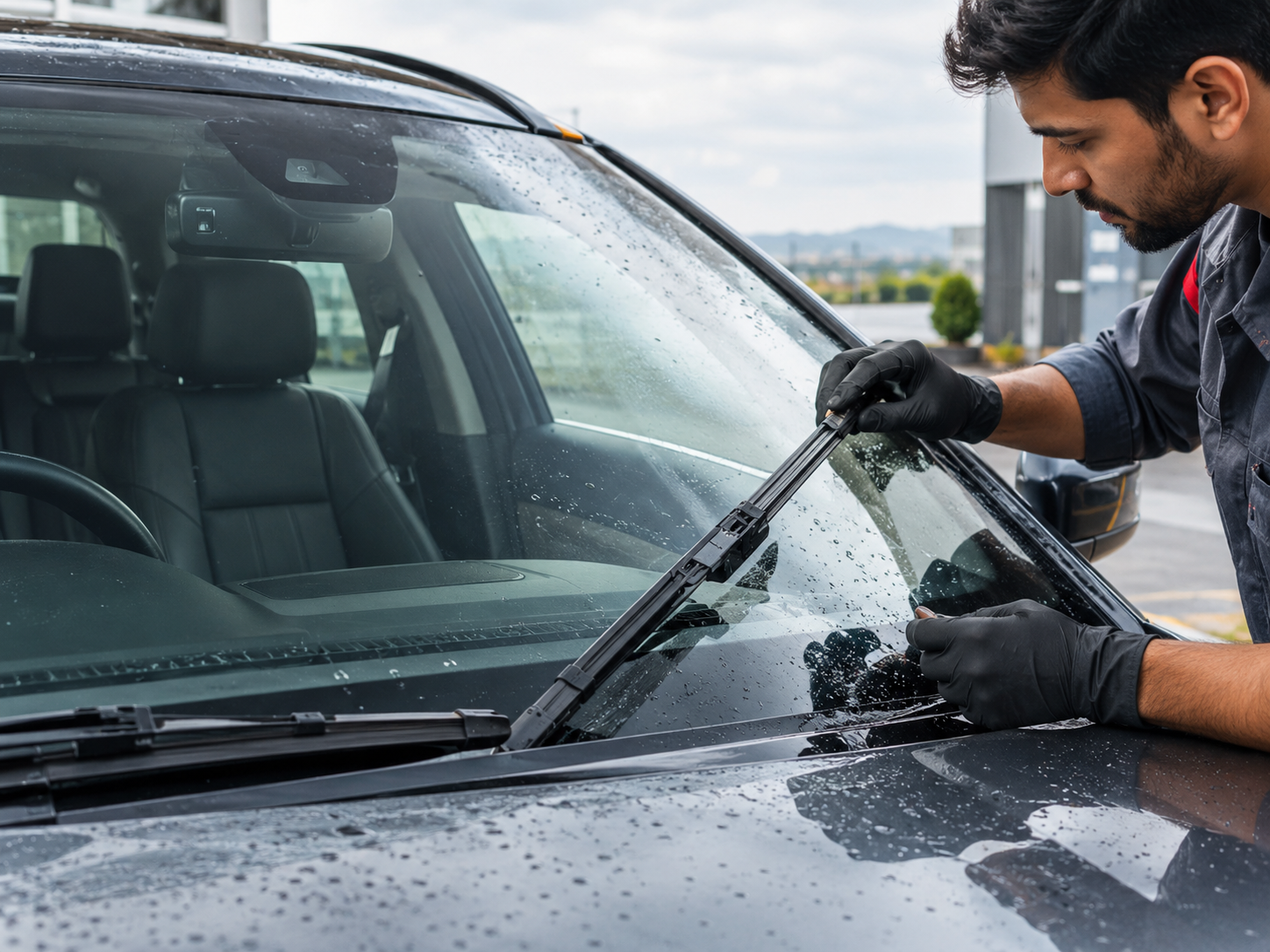
Also check your windscreen washer fluid and make sure the washer jets are functioning correctly.
Before a long journey, clean the windscreen from both the outside and inside to reduce glare and improve visibility.
Pay attention to how the vehicle feels during normal driving before setting off on a long trip.
Does the steering feel normal? Does the vehicle pull noticeably to one side? Do you feel unusual vibration through the steering wheel or cabin?
These symptoms can sometimes indicate issues involving wheel alignment, wheel balance, tyres, steering or suspension.
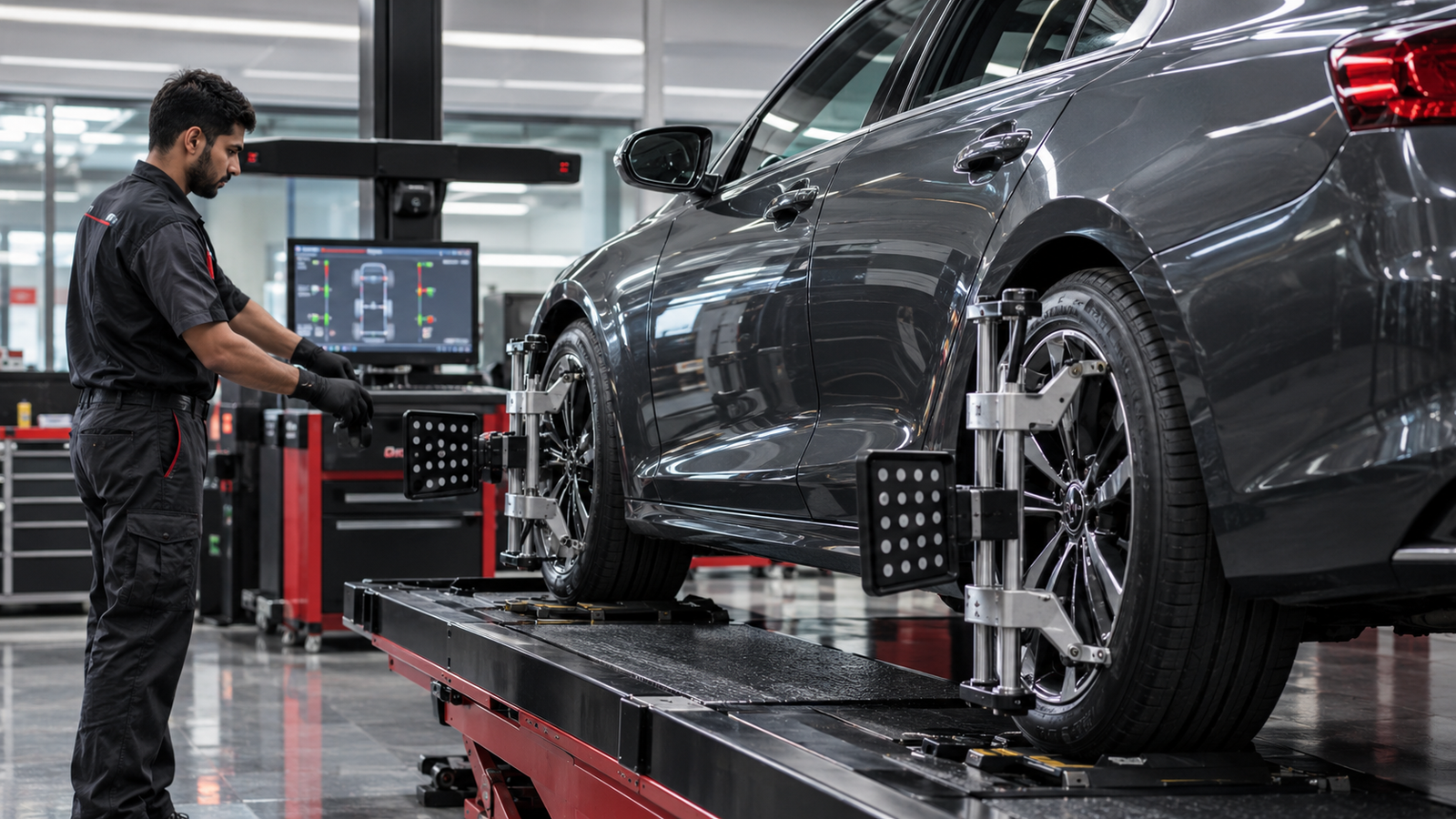
Wheel alignment and wheel balancing are not the same thing. Alignment concerns the geometry and positioning of the wheels, while balancing addresses uneven weight distribution in a rotating wheel and tyre assembly.
If your vehicle has developed unusual pulling, vibration or uneven tyre wear, having it professionally inspected before a long journey can be worthwhile.
Helpful resource:
Michelin — Tyre Care and Maintenance Advice
A prepared vehicle should be accompanied by a prepared driver.
Before leaving, consider carrying essentials such as:
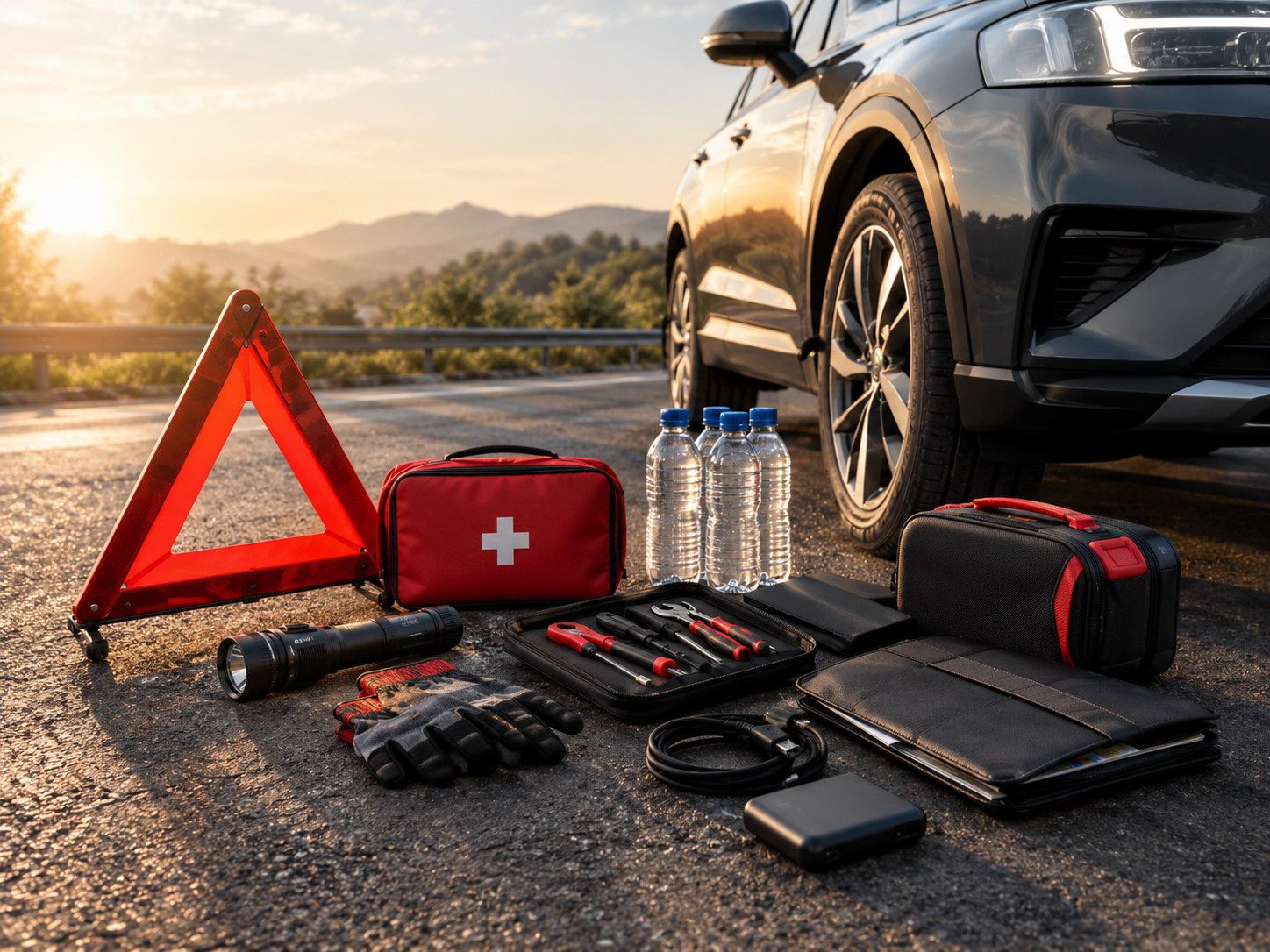
The exact items you need will depend on your destination, vehicle, weather conditions and journey length.
Before you leave, run through this quick checklist:
☐ Check tyre pressure
☐ Inspect tyre tread and sidewalls
☐ Check the spare tyre and puncture equipment
☐ Check brakes and warning lights
☐ Check engine oil and other essential fluids
☐ Check battery condition
☐ Test headlights, indicators and other lights
☐ Check wipers, washer fluid and windscreen visibility
☐ Pay attention to steering, alignment and wheel balance
☐ Pack emergency equipment and important documents
Save this checklist on your phone or use it as a quick reference before your next long journey.
A successful road trip doesn’t begin when you start the engine. It begins with preparation.
Taking a few minutes to check your tyres, brakes, fluids, battery, lights and other essentials can help you identify potential issues before they become problems on the road.
If you notice unusual tyre wear, steering vibration, pulling, braking issues or anything else that doesn’t feel right, consider getting the vehicle professionally inspected before beginning a long journey.
At Ghosh Tyre Zone, we help motorists with tyres, wheel alignment, wheel balancing, batteries and other essential vehicle care services in Kolkata.
Refit, Restore, Renew.
Ideally, don’t leave every check until the last minute. Perform a basic inspection before departure and allow enough time to address anything that needs professional attention.
Use the tyre pressure recommended by your vehicle manufacturer. The correct pressure is generally provided on the vehicle information label or in the owner’s manual.
Tyre pressure is best checked when the tyres are cold or have been driven minimally. Driving heats the tyres and can temporarily change the pressure reading.
Not every vehicle needs an alignment before every journey. However, if the vehicle pulls to one side, the steering wheel is noticeably off-centre or the tyres show uneven wear, professional inspection may be appropriate.
Carry essential vehicle documents, a spare tyre or appropriate puncture equipment, basic emergency supplies, a first-aid kit, a flashlight, charging equipment and any other items appropriate for your route and circumstances.
For additional tyre and vehicle-care information, these official manufacturer resources are useful:
This article is intended for general educational purposes and does not replace your vehicle manufacturer’s instructions or professional mechanical inspection. Vehicle specifications, recommended maintenance procedures and tyre-pressure requirements vary between makes and models. Always follow the manufacturer’s recommendations and seek qualified professional assistance when you are unsure about a vehicle safety issue.
Ghosh Tyre Zone is a trusted tyre and battery retailer in Kolkata, offering genuine products, expert installation, and professional wheel care services for all types of vehicles.
© 2026. Ghosh Tyre Zone. All Rights Reserved.